By engaging multiple muscle groups and increasing your metabolic rate, Pilates can be an effective part of a weight loss routine. While it might not burn as many calories as high-intensity cardio workouts, Pilates helps tone muscles and strengthen your core muscles, making it a valuable addition to any fitness regimen. In this article, we’ll explore the specifics of how Pilates aids in fat burning and offer tips on maximizing its benefits for weight loss, specifically addressing the question: does Pilates burn fat?
Key Takeaways
- Pilates enhances fat burning by increasing muscle tone, engaging multiple muscle groups, and boosting metabolic rate, making it a valuable addition to any fitness routine.
- Combining Pilates with cardio workouts maximizes fat loss by elevating heart rate and caloric burn, while Pilates improves body composition and muscle tone.
- Pilates offers benefits beyond fat loss, including improved posture, flexibility, and mental health, making it a holistic approach to overall fitness and well-being.
How Pilates Contributes to Fat Burning

Pilates contributes to fat loss by:
- Increasing muscle tone through controlled movements that target various muscle groups
- Enhancing body composition by focusing on the core and other key areas to sculpt the body.
These benefits make Pilates good a valuable addition to any fitness routine.
A Pilates session can be gentle or intense, catering to various fitness levels and goals. Its ability to engage multiple muscle groups simultaneously enhances metabolic rate and increases calorie expenditure.
Understanding Pilates’ role in fat burning involves examining muscle engagement, core strength, and its combination with cardio workouts. These elements combine to offer a comprehensive approach to fitness and weight loss.
Muscle Engagement and Metabolism
Pilates sessions engage various muscle groups, significantly enhancing metabolic rate and increasing calorie expenditure. Designed to work multiple muscles simultaneously, Pilates builds lean muscle mass and boosts metabolism.
Building lean muscle through Pilates improves body composition, making it easier to maintain a healthy weight. Increased lean muscle mass enhances the body’s efficiency at burning calories, even at rest, making Pilates highly effective for weight loss and overall fitness. Additionally, developing lean muscles can further support these benefits.
The Role of Core Strength
Strengthening core muscles through Pilates enhances workout effectiveness and provides stability, aiding in fat loss. Benefits include:
- Supporting the spine and maintaining proper alignment during exercises
- Reducing injury risk
- Improving performance
- Being especially beneficial for individuals with sedentary jobs who experience muscle tension and back pain.
Core strength is fundamental in Pilates and emphasized in every movement. Whether performing a simple mat exercise or a complex reformer routine, core muscles remain engaged. This focus improves posture, balance, and coordination, making workouts more effective and efficient.
Combining Pilates with Cardio
Combining Pilates with cardio exercises can lead to greater fat loss than doing either alone. Cardio elevates heart rate and increases caloric burn, while Pilates builds muscle tone and improves body composition. Together, they create a fitness routine that maximizes fat-burning and enhances overall fitness.
Pilates variations, like Reformer Pilates, with added resistance, complements cardio workouts by increasing higher intensity and caloric burn. This balanced approach ensures calorie burning, strength building, and improved flexibility.
Understanding Caloric Burn in Pilates

Various types of Pilates sessions, like mat Pilates, reformer Pilates, and high-intensity variations, have different levels of caloric expenditure. Exploring these differences allows you to tailor your fitness routine to maximize weight loss efforts.
Calories Burned in Mat Pilates
An hour of mat Pilates typically burns between 170 to 250 calories, depending on weight and workout intensity. For example, a 120-pound person might burn around 171 calories, while a 180-pound person may burn about 257 calories.
Caloric burn in mat Pilates varies based on exercise complexity and fitness level. Beginners may burn fewer calories compared to advanced practitioners engaging in more challenging movements.
Reformer Pilates and Caloric Expenditure
Reformer Pilates typically results in higher calorie burn than mat Pilates due to increased resistance and muscle engagement, allowing individuals to burn more calories. For instance, a 120-pound individual might burn around 180 calories, while a 150-pound person can burn up to 220 calories.
Adjustable resistance in reformer Pilates allows for more intense workouts, leading to higher caloric expenditure. It’s an excellent option for those looking to maximize calorie burn and enhance overall fitness.
High-Intensity Pilates Variations
High-intensity Pilates workouts, like Hot Pilates, enhance caloric burn and overall fitness due to their challenging nature. These sessions elevate heart rate and increase calorie deficit, contributing to effective weight loss.
Intermediate and advanced mat Pilates sessions can also increase caloric burn, with some reaching up to 450 calories per hour. The combination of high-intensity Pilates and increased caloric burn makes it an excellent addition to any weight loss plan.
Benefits of Pilates Beyond Fat Burning
Improved Posture and Body Awareness
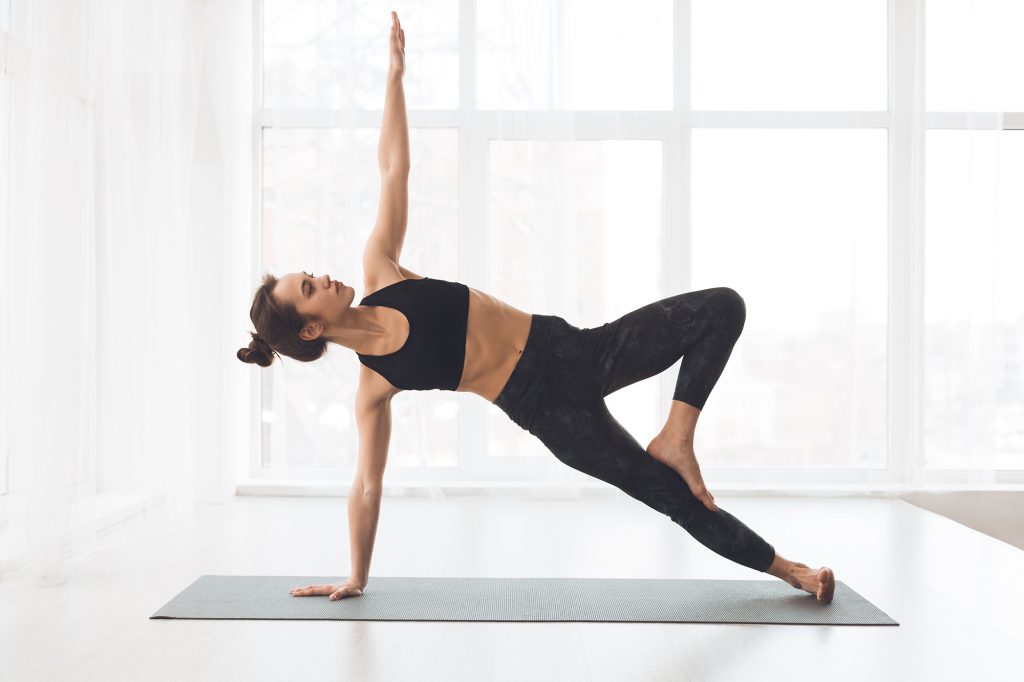
The ‘Pilates effect’ refers to improvements in posture, muscle tone, and a toning core. Pilates strengthens the muscles supporting the spine, promoting better alignment and reducing back pain. Improved posture and body awareness lead to better movement patterns and reduced injury risk.
Incorporating props in Pilates challenges stability and engages different muscle groups effectively. These tools enhance the overall effectiveness of exercises, leading to improved posture and body awareness.
Enhanced Flexibility and Mobility
Consistent Pilates practice increases flexibility and improves overall mobility. Enhanced flexibility from Pilates can boost performance in various physical activities and reduce muscle and joint stiffness.
Greater flexibility and mobility contribute to a more agile, injury-free body and healthy bodies, making daily tasks and other exercises easier while exercising, especially for the knees and neck. This benefit is particularly valuable to discover maintaining an active, healthy diet and lifestyle, as it can help reduce sweat during physical activities.
Mental Health Benefits
Pilates incorporates mindfulness and breathwork, reducing stress and promoting mental clarity. Focused breathing and movement encourage mindfulness, alleviating anxiety and improving mood. Pilates promotes relaxation and can help lower stress levels by regulating the nervous system.
These mental health benefits make Pilates a beneficial practice for overall well-being.
Integrating Pilates into Your Fitness Routine

Starting with Mat Pilates
Beginners should start with fundamental movements to build a solid foundation in Pilates. Simple mat exercises develop foundational strength and flexibility, making progression to more complex moves easier, beginning with the basics.
Mastering form and breathing techniques is crucial for beginners. This ensures exercises are performed correctly and safely, leading to better results and preventing injuries.
Using Light Weights and Props
Incorporating light weights into Pilates can:
- Enhance strength
- Increase workout intensity
- Engage muscle groups more effectively, leading to increased muscle engagement and growth
- Add resistance that helps boost caloric burn and accelerate fitness goals
Props like resistance bands, balls, and blocks provide additional resistance or support, enhancing Pilates movements’ effectiveness. This equipment modifies exercises to suit different skill levels, ensuring everyone, from beginners to advanced practitioners, benefits from their Pilates sessions.
Scheduling Pilates Classes
When choosing a Pilates class, consider your fitness goals, skill level, and preferences for class format, such as mat or reformer classes. Attending trial classes helps assess the instructor’s style and class dynamic before committing long-term. This ensures you find a class that aligns with your needs and keeps you motivated.
Summary
In summary, Pilates can be an effective tool for fat burning and weight loss when integrated into a balanced fitness routine. By enhancing muscle tone, improving body composition, and providing a comprehensive approach to fitness, Pilates contributes significantly to overall health and well-being.
Incorporating Pilates into your fitness routine, alongside cardio and strength training, can maximize fat-burning potential and provide numerous other benefits, such as improved posture, flexibility, and mental health. Embrace the unique advantages of Pilates and discover how it can help you achieve your fitness goals and enhance your quality of life.