
One-On-One fpilates Private Session

Pfilates is an innovative program designed as a more effective alternative to traditional Kegel exercises. Research shows it can generate up to 1000% more pelvic floor muscle activity than a standard Kegel squeeze. Developed by urogynecologist Dr. Bruce Crawford, Pfilates is based on a decade of research into movements that optimally engage the pelvic floor.
Using electromyography (EMG) analysis of over 120 movements, Dr. Crawford identified 10 highly effective exercises that integrate Pilates, Yoga, and functional movements. These exercises leverage co-contraction—simultaneous activation of supporting muscles—enhanced with plyometric principles to maximize muscle exertion and power.
Rather than performing all 10 exercises, individuals are encouraged to select 3–4 movements that
best elicit the "central tightening" sensation associated with pelvic floor activation. Practicing
these exercises twice daily for just five minutes can effectively strengthen the pelvic floor and
support overall core function.
Key Features of FPilates:
- Targeted Exercises: FPilates incorporates controlled movements that activate and strengthen the deep core muscles, including the pelvic floor, transverse abdominis, and diaphragm.
- Breathwork: Proper breathing techniques are emphasized to enhance core engagement and relaxation.
- Postural Alignment: Exercises focus on improving posture, which can help alleviate pressure on the pelvic floor.
- Functional Strength: FPilates helps with everyday movements, reducing the risk of pelvic Floor dysfunction, incontinence, or prolapse.

Who Benefits from FPilates?
- Women Postpartum: Helps restore pelvic floor strength after childbirth.
- Individuals with Pelvic Floor Weakness: Supports those experiencing incontinence, prolapse, or pelvic pain.
- Athletes: Enhances core stability and reduces injury risk.
- Men and Women of All Ages: Supports general pelvic health and core function. FPilates is often recommended by physiotherapists, pelvic floor physiotherapists and fitness professionals as a safe and effective way to maintain pelvic health while improving overall strength and mobility.
Examples of Pfilates Exercises
- Deep Squat – A controlled squat with a focus on engaging the pelvic floor during the upward movement.
- Bridge Lift – Lying on your back with knees bent, lifting the hips while engaging the core and pelvic floor.
- Heel Taps – Lying on your back, alternating lowering each leg from tabletop position while maintaining pelvic floor activation.
- Standing Leg Lift – Standing tall, lifting one knee while maintaining core and pelvic floor engagement.
- Pelvic Tilt – Lying on the back, performing a slight pelvic tilt by drawing the lower abdomen inward.
- Modified Warrior Pose – Inspired by yoga, this involves lunging forward while actively engaging the pelvic floor.
- Chair Pose with Engagement – A Pilates/yoga-inspired squat where you focus on activating the pelvic floor while holding the pose.
- Lunges with Pelvic Floor Activation – Engaging the pelvic floor during each lunge to enhance muscle contraction.
- Seated March – Sitting on a chair or stability ball, lifting one knee at a time while engaging the pelvic floor.
- Standing Hip Hinges – Bending at the hips while maintaining a neutral spine and focusing on pelvic floor activation. Each movement is designed to incorporate the natural co-contraction of core and lower body muscles, making pelvic floor strengthening more effective.
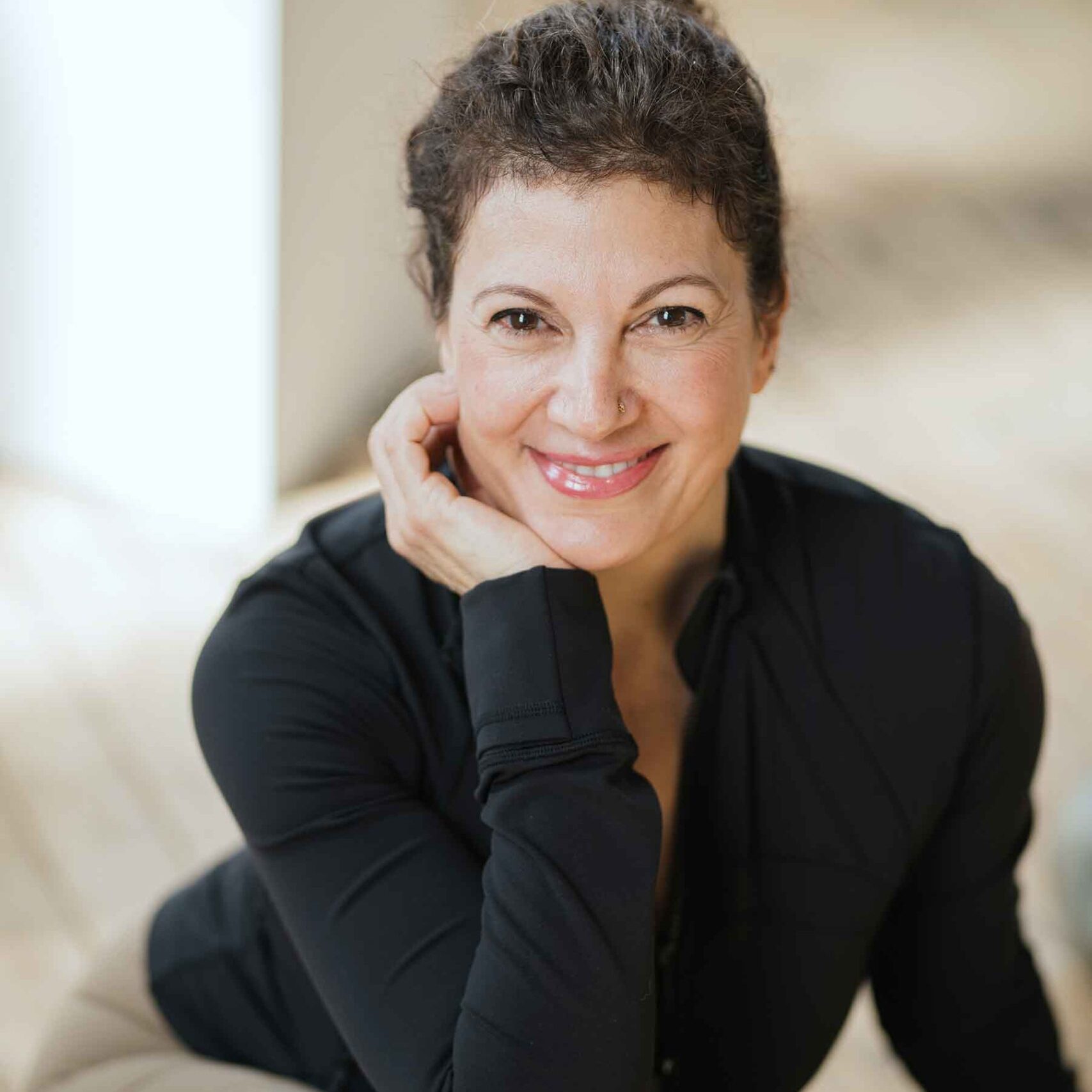
Mena Porter, R. Ac, RMT, Pilates Instructor, YYT
Pelvic Floor Pilates (FPilates) is a specialized form of Pilates that focuses on strengthening and improving the function of the pelvic floor muscles. These muscles support the bladder, bowel, and reproductive organs and play a crucial role in core stability, posture, and overall well-being.