Wondering what cupping therapy benefits are? Many turn to this ancient practice for pain relief, improved blood flow, and healthier skin. In this article, you’ll learn exactly how cupping therapy can boost your health and well-being.
Key Takeaways
- Cupping therapy promotes pain relief and muscle relaxation by enhancing blood circulation and reducing muscle tension, making it effective for various conditions like back pain and arthritis.
- The therapy aids detoxification and supports the immune system by stimulating the lymphatic system, improving blood flow, and assisting in the removal of toxins from the body.
- Cupping therapy enhances skin health and respiratory function, providing benefits such as clearer skin and improved lung function, while also promoting mental clarity and emotional well-being.
Pain Relief and Muscle Relaxation
Imagine a therapy that could alleviate your chronic pain and make your tight and sore muscles feel relaxed and rejuvenated. Cupping therapy, an ancient healing technique, does just that. Cupping therapy enhances blood circulation and reduces muscle tension through the application of suction, leading to pain relief and relaxation. This therapy has been shown to help with various conditions, including back pain, arthritis, and chronic pain.
Many people who suffer from musculoskeletal disorders such as neck pain, shoulder pain, and chronic back pain find significant relief through regular cupping therapy sessions. The suction created by the cups helps to relieve muscle tightness, making it an excellent complementary therapy to physical therapy and other alternative therapies.
The benefits of cupping therapy extend to alleviating tension headaches and migraine headache, providing a holistic approach to pain management, complementary treatment, and overall well-being, as well as serving as a complementary treatment option.
Cupping therapy offers a unique way to promote muscle relaxation and enhance blood circulation, much like a deep tissue massage. Physical therapists and massage therapists often recommend incorporating cupping therapy into a wellness routine to relieve tension and promote healing. Cupping therapy’s effectiveness can be maximized when a cupping therapist provides expertise in this technique.
Whether you’re dealing with chronic muscle pain or simply looking to promote relaxation, this ancient therapy can help alleviate pain while providing pain relief as a traditional method of alternative medicine that can relieve pain naturally and effectively.
Enhanced Blood Circulation
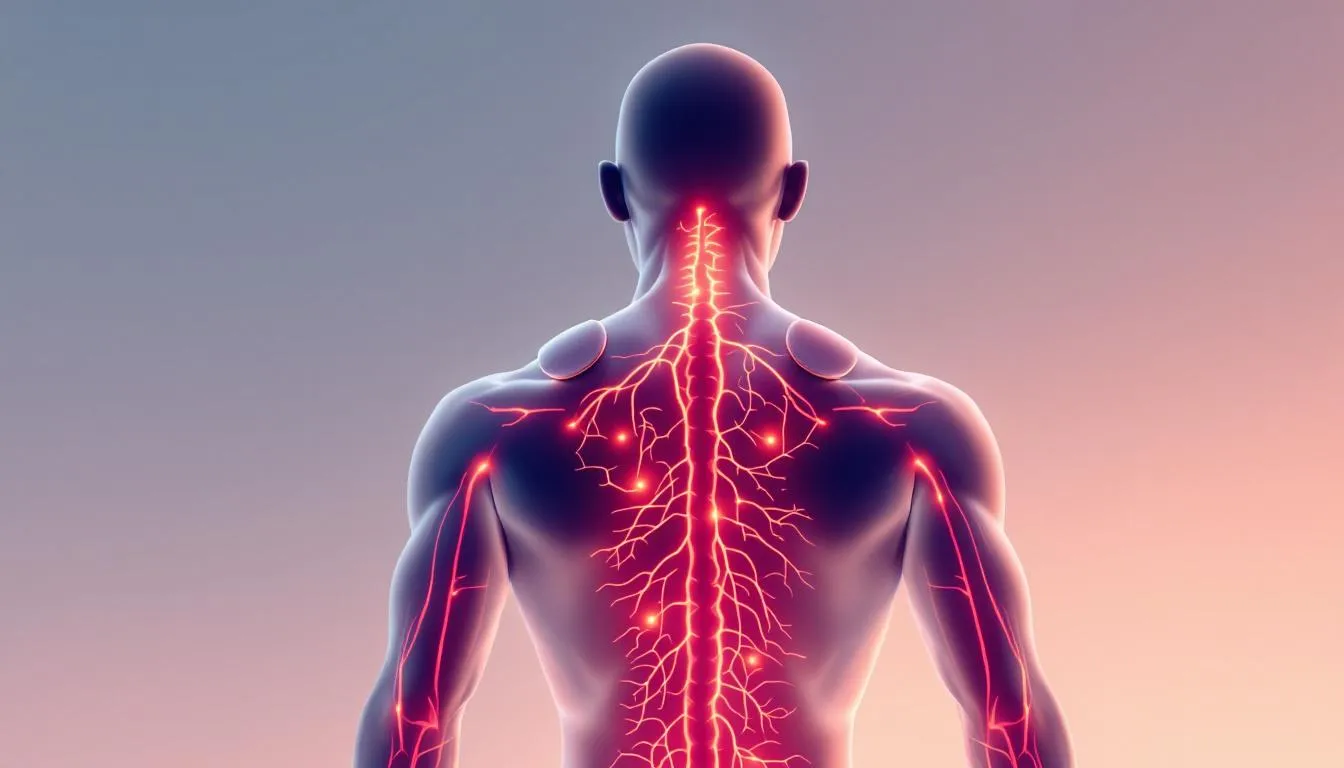
One of the standout benefits of cupping therapy is its ability to enhance blood circulation. The suction effect created during a cupping therapy session draws blood to the treated areas, which supports the body’s natural healing processes. Cupping therapy boosts blood flow and circulation, which accelerates recovery, alleviates muscle tightness, and enhances overall range of motion.
Detoxification and Immune System Support
Detoxification is a crucial aspect of maintaining good health, and cupping therapy plays a significant role in this process. Cupping therapy stimulates the lymphatic system. This process aids the body in removing toxins more efficiently. This ancient therapy not only aids in physical detoxification but also helps clear mental fog and anxiety, contributing to overall well-being.
Moreover, cupping therapy enhances the body’s immune response, which is closely linked to improved blood circulation and detoxification. By reducing inflammation and promoting blood flow to affected areas, cupping therapy supports the body’s natural healing processes and bolsters immune function.
Respiratory Health Benefits
Breathing easy is something many of us take for granted, but for those with respiratory issues, cupping therapy can be a breath of fresh air. This therapy helps with respiratory problems by:
- Easing congestion
- Improving lung function through increased blood flow and fluid exchange around the lungs
- Loosening mucus within the respiratory tract, aiding in the relief of chest congestion.
Additionally, cupping therapy can relieve tension in the rib cage and diaphragm, contributing to deeper and more effective breaths. Cupping therapy benefits individuals with respiratory issues by aiding lymphatic fluid movement, thereby promoting lung health and function.
If you’re looking to incorporate a new method into your health regimen, consider the respiratory benefits of cupping therapy and consult your healthcare provider for personalized advice.
Mental Health and Emotional Well-being
In today’s fast-paced world, mental health and emotional well-being are more important than ever. Cupping therapy is believed to enhance mental health by reducing stress and anxiety, promoting a sense of relaxation and emotional well-being. The gentle suction created during a cupping session releases muscle tension, contributing to a calming and soothing experience.
Different Cupping Techniques
Cupping therapy is not a one-size-fits-all approach. There are several cupping techniques, each with its unique benefits and applications. The primary techniques include dry cupping, wet cupping, and fire cupping, all rooted in ancient Egyptian, Chinese, and Middle Eastern traditions. Different cultures have adapted these cupping techniques to suit their unique health philosophies.
Cupping cups are made from various materials such as:
- glass cups
- Bamboo
- Silicone
- Plastic The choice of material can affect the cupping experience. Let’s explore these techniques in more detail to understand their specific benefits and how they are performed.
Dry Cupping
Dry cupping is perhaps the most straightforward and widely practiced form of cupping therapy. This cupping technique uses cups applied to the skin. It creates suction without the need for any incisions. The suction leads to increased blood flow and relaxation of tense muscles, making it an effective method for pain relief and muscle recovery.
Wet Cupping
Wet cupping, also known as Hijama, is a more intensive form of cupping therapy focused on detoxification. This wet cupping technique involves creating suction on the skin, followed by small incisions to release blood, thereby removing toxins from the body. Wet cupping therapy is particularly effective in treating various ailments by promoting blood circulation and reducing inflammation.
The process of wet cupping enhances the body’s natural detoxification processes and supports overall health. Wet cupping cleanses the body of impurities and stimulates the formation of new blood vessels by drawing out blood. This ancient healing technique is a powerful tool for those seeking to detoxify their bodies and improve their overall well-being.
Fire Cupping
Fire cupping is a traditional Chinese medicine technique that uses heat to create suction. In this method, a flame is briefly introduced into a glass cup to heat the air, then the cup is quickly placed on the skin, creating a strong suction effect. This technique provides deeper muscle relaxation and improved blood circulation, making it highly effective for muscle recovery and stress relief.
Those seeking to enhance their physical and mental well-being might find fire cupping particularly beneficial. The heat used in fire cupping can penetrate deeper into the muscles, providing a more intense therapeutic effect compared to other cupping methods.
Safety Considerations and Side Effects
While cupping therapy offers numerous benefits, it’s essential to be aware of the safety considerations and potential side effects. Common temporary side effects may include:
- Bruising
- Mild discomfort
- Redness These usually resolve within a few days. Individuals with sensitive skin might experience skin irritation, so it’s important to consult with a practitioner before starting cupping therapy.
Cupping therapy may not be suitable for everyone, particularly those with certain health conditions such as skin disorders, blood clotting issues, or those taking blood-thinning medications. Pregnant women, individuals with hemophilia, or those undergoing cancer treatment should seek advice from their healthcare providers before undergoing cupping therapy.
Ensuring a positive experience with cupping therapy requires careful consideration of these factors and consulting with a qualified practitioner to avoid cupping.
Incorporating Cupping Therapy into Your Wellness Routine
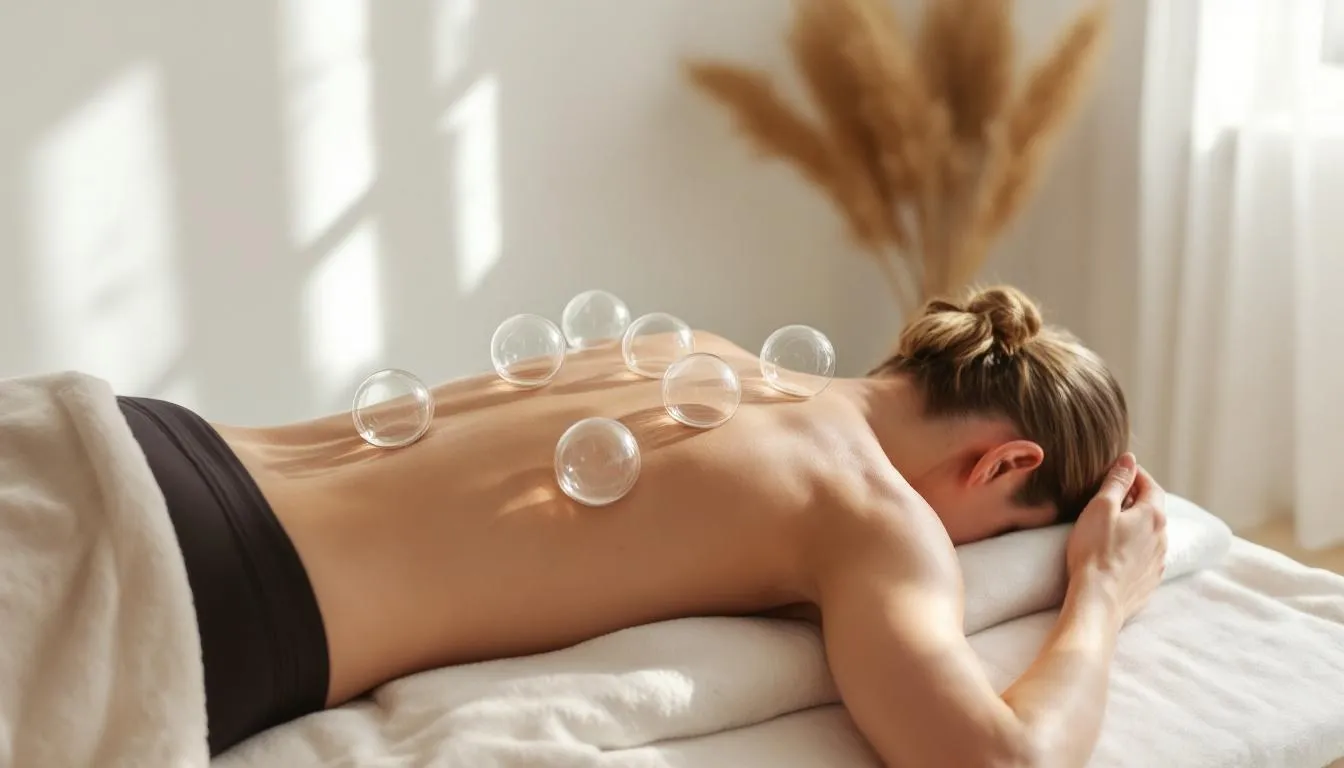
Incorporating cupping therapy into your wellness routine can lead to cumulative benefits over time. Regular cupping sessions can result in deeper relaxation, emotional stability, and overall well-being. Integrating cupping therapy with practices like mindfulness, yoga, or deep tissue massage can enhance its stress-relief effects and promote healing.
Summary
Cupping therapy, with its roots in ancient healing traditions, offers a range of benefits that can enhance your overall health and well-being. From pain relief and muscle relaxation to improved blood circulation, detoxification, and skin health, the benefits of cupping therapy are extensive. Understanding the different cupping techniques, such as dry cupping, wet cupping, and fire cupping, allows you to choose the method that best suits your needs.
Safety considerations are crucial for a positive cupping experience, and it is important to consult with a qualified practitioner to determine if cupping therapy is right for you. By incorporating cupping therapy into your wellness routine, you can achieve deeper relaxation, emotional stability, and improved overall health. Embrace this ancient therapy and discover the transformative effects it can have on your life.